Rameau's Nephew (in a new translation by Ian C. Johnston) (Annotated)



Über das eBook
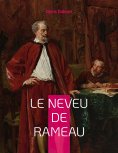
Denis Diderot's *Rameau's Nephew*, presented here in Ian C. Johnston's new translation, is a dazzling philosophical dialogue between "Moi," a reflective narrator, and "Lui," the outrageous nephew of the celebrated composer Jean-Philippe Rameau. Set amid the cafés and theatres of eighteenth-century Paris, the conversation moves unpredictably through music, performance, education, money, social rank, morality, and the relation between genius and hypocrisy. Its volatile mixture of satire, dramatic improvisation, paradox, and Socratic argument places the work at a fascinating intersection of the Enlightenment dialogue, the comic tradition, and the emerging modern critique of bourgeois society. The nephew's shameless defense of opportunism continually unsettles the narrator's ethical convictions, leaving no easy distinction between virtue and self-interest. Diderot (1713–1784), a central figure of the French Enlightenment, was philosopher, novelist, art critic, editor of the *Encyclopédie*, and one of Europe's most experimental writers. His materialist interest in human conduct, his skepticism toward inherited authority, and his fascination with theatricality inform every exchange in this remarkable text. Written in the 1760s but published only after his death, the dialogue reflects both the intellectual ferment of pre-Revolutionary France and Diderot's lifelong effort to test ideas through living voices rather than systematic exposition. This edition is especially valuable for readers interested in Enlightenment philosophy, music, aesthetics, ethics, or the history of satire. Johnston's translation makes Diderot's rapid shifts in tone, comic energy, and argumentative precision accessible without diminishing the work's intellectual strangeness. *Rameau's Nephew* rewards close reading and rereading: it is at once entertaining, philosophically provocative, and uncannily modern in its portrait of a society where talent, morality, and self-presentation are inseparable.
This enriched edition has been carefully crafted to add value to your reading experience.
- A succinct Introduction situates the work's timeless appeal and themes.
- The Synopsis outlines the central plot, highlighting key developments without spoiling critical twists.
- A detailed Historical Context immerses you in the era's events and influences that shaped the writing.
- An Author Biography reveals milestones in the author's life, illuminating the personal insights behind the text.
- A thorough Analysis dissects symbols, motifs, and character arcs to unearth underlying meanings.
- Reflection questions prompt you to engage personally with the work's messages, connecting them to modern life.
- Hand‐picked Memorable Quotes shine a spotlight on moments of literary brilliance.
- Interactive footnotes clarify unusual references, historical allusions, and archaic phrases for an effortless, more informed read.
Über den Autor
Denis Diderot, a preeminent figure of the French Enlightenment, was born on October 5, 1713, in Langres, France. He was not only a philosopher but also a prolific writer, art critic, and encyclopedist. Diderot is best known for serving as chief editor of the monumental 'Encyclopédie', which attempted to summarize all human knowledge and propagate Enlightenment ideas. His literary works often reflected his philosophical thought, characterized by skepticism, rational inquiry, and a push against traditional institutions. 'Rameau's Nephew' is one of his remarkable dialogues imbued with irony and satire, showcasing Diderot's distinctive literary style; the new translation by Ian C. Johnston brings a fresh perspective to this classic. Aside from philosophical dialogues, Diderot's oeuvre includes novels, plays, and art criticism, each contributing to his reputation as a versatile and critical thinker of his time. His works have been studied for their radical ideas and literary merit, playing a significant role in shaping modern philosophical and literary thought. Diderot passed away on July 31, 1784, in Paris, but his legacy endures as a pivotal contributor to the spirit of critical thinking and intellectual liberation that defined the Enlightenment.
Diese eBooks könnten Ihnen auch gefallen







Produkt Details
Verlag: DigiCat
Genre: Sprache - Englisch
Sprache: English
Umfang: 59 Seiten
Größe: 699,2 KB
ISBN: 8596547735212
Veröffentlichung: 27. November 2023