The Critique of Judgment



Über das eBook
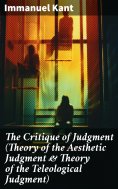
In "The Critique of Judgment," Immanuel Kant meticulously explores the intricate relationship between aesthetics and teleology, positioning judgment as a critical faculty that bridges the domains of the sublime and the beautiful. This seminal work is divided into two main sections, the Critique of Aesthetic Judgment and the Critique of Teleological Judgment, offering profound insights into the nature of human perception and the principles governing our appreciation of art and nature. Kant employs a distinctive philosophical style, combining rigorous analysis with eloquent prose, reflecting the Enlightenment's quest for objectivity and universality amidst subjective experiences. Immanuel Kant, a central figure in modern Western philosophy, was significantly influenced by the Enlightenment ideals of reason and freedom. Writing "The Critique of Judgment" in 1790, he sought to bridge the gap between empiricist and rationalist thought, examining how aesthetic values and notions of purpose resonate within human consciousness. Kant's rich intellectual heritage, including his engagement with the works of Rousseau and Hume, profoundly shaped his inquiries into the aesthetic and teleological dimensions of human experience. This book is essential for those interested in philosophy, art, and science, offering a fundamental understanding of how we evaluate and appreciate beauty and purpose. Readers will find Kant's reflections not only intellectually stimulating but also highly relevant to contemporary discussions surrounding aesthetics and the nature of judgment.
In this enriched edition, we have carefully created added value for your reading experience:
- A succinct Introduction situates the work's timeless appeal and themes.
- The Synopsis outlines the central plot, highlighting key developments without spoiling critical twists.
- A detailed Historical Context immerses you in the era's events and influences that shaped the writing.
- An Author Biography reveals milestones in the author's life, illuminating the personal insights behind the text.
- A thorough Analysis dissects symbols, motifs, and character arcs to unearth underlying meanings.
- Reflection questions prompt you to engage personally with the work's messages, connecting them to modern life.
- Hand‐picked Memorable Quotes shine a spotlight on moments of literary brilliance.
- Interactive footnotes clarify unusual references, historical allusions, and archaic phrases for an effortless, more informed read.
Über den Autor
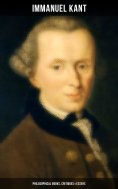
Immanuel Kant, born April 22, 1724, in Königsberg, then part of Prussia, is one of the most influential philosophers in the history of Western philosophy. His comprehensive and systematic work in epistemology (the theory of knowledge), ethics, and aesthetics greatly influenced all subsequent philosophy, especially the various schools of Kantianism and idealism. Kant's endeavor to set out to the limits of metaphysics and understanding led to what is often considered his greatest work, 'The Critique of Pure Reason' (1781/1787), establishing his reputation as a foremost thinker. His 'The Critique of Practical Reason' (1788) is central in his moral philosophy, whilst 'The Critique of Judgment' (1790), the third of his seminal triad, delves into aesthetics and teleology. It bridges the gap between the natural world and the moral world, providing a comprehensive framework for his aesthetic theory, notably his analyses of beauty and the sublime. Kant's critical style of philosophy was aimed at solving what he perceived as shortcomings of past doctrines, setting the stage for many philosophical debates that would follow. He passed away on February 12, 1804, in Königsberg, where he had lived all his life, but his writings continue to resonate and shape philosophical discussion today.
Diese eBooks könnten Ihnen auch gefallen






Produkt Details
Verlag: DigiCat
Genre: Sprache - Englisch
Sprache: English
Umfang: 423 Seiten
Größe: 1,0 MB
ISBN: 8596547008385
Veröffentlichung: 17. Mai 2022