Orthodoxy


About the eBook
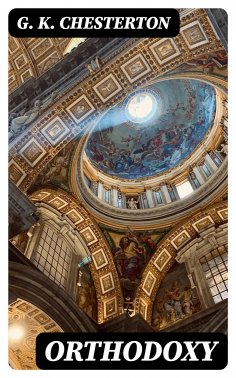
In "Orthodoxy," G. K. Chesterton presents a compelling and articulate defense of Christianity, blending personal narrative with philosophical discourse. The book is structured as a series of essays that traverse his journey from skepticism to robust faith, marked by Chesterton's characteristic wit and paradoxical reasoning. His literary style is both engaging and accessible, utilizing vivid imagery and a conversational tone that invites the reader to ponder profound theological concepts while simultaneously enjoying the narrative flow. Set against the backdrop of early 20th-century thought, Chesterton critiques the contemporary philosophies of materialism and secularism, articulating a vibrant Christian worldview that remains relevant today. G. K. Chesterton (1874-1936) was an English writer, philosopher, and journalist known for his sharp intellect and playful approach to complex subjects. Influenced by personal struggles with faith and the philosophical dilemmas of his time, Chesterton sought to reconcile reason and spirituality. His background in journalism and literature equipped him with a unique ability to communicate profound truths in a manner that resonates with a wide audience, making "Orthodoxy" not just a theological treatise but also a work of literary art. For readers seeking an intellectual exploration of faith and reason, "Orthodoxy" is essential. Chesterton's arguments are both a challenge and an invitation, beckoning us to reconsider the foundations of belief amid a modern landscape often characterized by uncertainty. His insightful observations and passionate defense of faith will inspire those grappling with questions of meaning and purpose in a rapidly changing world.
In this enriched edition, we have carefully created added value for your reading experience:
- A succinct Introduction situates the work's timeless appeal and themes.
- The Synopsis outlines the central plot, highlighting key developments without spoiling critical twists.
- A detailed Historical Context immerses you in the era's events and influences that shaped the writing.
- An Author Biography reveals milestones in the author's life, illuminating the personal insights behind the text.
- A thorough Analysis dissects symbols, motifs, and character arcs to unearth underlying meanings.
- Reflection questions prompt you to engage personally with the work's messages, connecting them to modern life.
- Hand‐picked Memorable Quotes shine a spotlight on moments of literary brilliance.
- Interactive footnotes clarify unusual references, historical allusions, and archaic phrases for an effortless, more informed read.
About the Author
Gilbert Keith Chesterton (1874–1936) was a prolific English writer, poet, philosopher, dramatist, journalist, orator, literary and art critic, biographer, and Christian apologist. Known for his towering presence and jovial wit, he remains a towering figure in English literature. His work is characterized by an unabashed joy in paradox and the use of humorous anecdotes to illustrate more profound philosophical points. 'Orthodoxy,' published in 1908, remains one of his seminal works. It stands as a spirited defense of Christianity, where Chesterton employs his distinctive talent for paradox and satire to explore and affirm his religious beliefs. As a guardian of traditional Christian thought and a fierce opponent of skeptical modernity, Chesterton's influence extends beyond his literary achievements; he has also been recognized as a key figure in Christian apologetics. His writing style blends a casual tone with a powerful intellect and profound convictions, making his work accessible yet compelling. Chesterton's ability to weave wit with weighty themes has ensured his status as both a beloved writer and a respected thinker in the annals of English literature.
Related eBooks








Product Details
Publisher: DigiCat
Genre: Sprache - Englisch
Language: English
Size: 145 Pages
Filesize: 866.7 KB
ISBN: 8596547392996
Published: Nov. 13, 2022