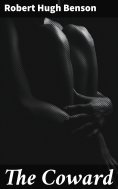
The Coward (Annotated)



About the eBook
Robert Hugh Benson's *The Coward* is a psychologically probing religious novel concerned with the difference between physical timidity and moral failure. Its central situation places personal fear, social expectation, and the claims of conscience in sharp conflict, allowing Benson to examine how character is formed through decisions made under pressure. Written in lucid, purposeful prose, the book combines the conventions of the late-Victorian novel of manners with the introspective intensity of Catholic apologetic fiction. Its drama is therefore less a study of heroic action than of spiritual perception: what appears to be cowardice may conceal humility, while socially admired courage may evade truth. The result is a compact but intellectually serious meditation on responsibility, grace, and moral courage. Benson (1871–1914), son of the Anglican Archbishop Edward White Benson, was ordained an Anglican priest before entering the Roman Catholic Church in 1903 and becoming a Catholic priest. That transition, together with his intimate knowledge of ecclesiastical culture and the psychological costs of religious conviction, profoundly shaped his fiction. *The Coward* belongs to the period in which he was translating personal religious experience into imaginative narratives that could question both conventional morality and fashionable secular confidence. This book will reward readers interested in Catholic literary modernity, Victorian and Edwardian religious fiction, and the moral psychology of conversion. It is especially valuable for those who appreciate novels in which ethical argument emerges through character and narrative rather than abstract exposition.
This enriched edition has been carefully crafted to add value to your reading experience.
- A succinct Introduction situates the work's timeless appeal and themes.
- The Synopsis outlines the central plot, highlighting key developments without spoiling critical twists.
- A detailed Historical Context immerses you in the era's events and influences that shaped the writing.
- A thorough Analysis dissects symbols, motifs, and character arcs to unearth underlying meanings.
- Reflection questions prompt you to engage personally with the work's messages, connecting them to modern life.
- Hand‐picked Memorable Quotes shine a spotlight on moments of literary brilliance.
- Interactive footnotes clarify unusual references, historical allusions, and archaic phrases for an effortless, more informed read.
About the Author
Robert Hugh Benson (1871–1914) was a distinguished English author and clergyman known for his wide-ranging literary works that include historical novels, science fiction, supernatural fiction, and theological writings. He was born on November 18, 1871, into an intellectually prominent family as the youngest son of Edward White Benson, the Archbishop of Canterbury. Initially beginning his career in the Anglican Church, Benson converted to Roman Catholicism in 1903, an event that had a profound influence on his literary output and religious writings. A prolific writer, he penned numerous books, the most notable amongst them being 'Lord of the World' (1907), a dystopian science fiction novel that has been praised for its prophetic vision and spiritual insights. 'The Coward' showcases Benson's versatility as a storyteller, in which he skillfully captures the psychological depths of fear and courage. Known for his accessible and engaging narrative style, Benson's works often grapple with the complex interplay between faith, doubt, and the human condition. His literary style is characterized by a blend of intellectual thoughtfulness and emotional resonance, a trait that won him a broad readership during his lifetime and lasting recognition posthumously. Benson's contribution to English literature continues to be acknowledged for its imaginative scope and the contemplative spirit of his writings.
Related eBooks







Product Details
Publisher: DigiCat
Genre: Sprache - Englisch
Language: English
Size: 242 Pages
Filesize: 830.2 KB
ISBN: 8596547186922
Published: Aug. 16, 2022