Conspiracy of Catiline and the Jurgurthine War
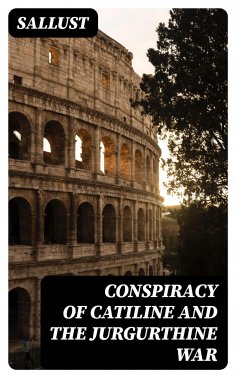


About the eBook
In 'Conspiracy of Catiline and the Jugurthine War,' Sallust presents a compelling examination of political intrigue and moral corruption in the late Roman Republic. The work is characterized by its concise yet impactful prose, a hallmark of Sallust's literary style, which combines historical narrative with deep psychological insight into his subjects. Through the lens of the Catiline conspiracy, Sallust not only chronicles the events leading to the attempted coup but also critiques the societal decline that allowed such treachery to flourish. The juxtaposition of the Catiline narrative with that of Jugurtha, a King of Numidia, further emphasizes themes of ambition, greed, and the complex interplay of personal and political motives that defined this tumultuous period in Roman history. Sallust, a contemporary of Cicero and a senator himself, was deeply influenced by the political dynamics of his time, including the moral decay he perceived in Rome's institutions. His experiences as both a soldier and politician imbued his writing with a sense of urgency and authority, as he sought to shed light on the moral failings that facilitated the rise of corruption and tyranny. This dual perspective enriches the historical narrative, giving readers an intimate glimpse into the era's political landscape. This work is essential for anyone seeking to understand the intricate complexities of Roman politics and the timeless nature of power struggles. Sallust's incisive analysis and evocative storytelling provide profound insights into the consequences of ambition and betrayal, making 'Conspiracy of Catiline and the Jugurthine War' a must-read for historians, classicists, and anyone intrigued by the darker facets of human nature.
In this enriched edition, we have carefully created added value for your reading experience:
- A comprehensive Introduction outlines these selected works' unifying features, themes, or stylistic evolutions.
- The Author Biography highlights personal milestones and literary influences that shape the entire body of writing.
- A Historical Context section situates the works in their broader era—social currents, cultural trends, and key events that underpin their creation.
- A concise Synopsis (Selection) offers an accessible overview of the included texts, helping readers navigate plotlines and main ideas without revealing critical twists.
- A unified Analysis examines recurring motifs and stylistic hallmarks across the collection, tying the stories together while spotlighting the different work's strengths.
- Reflection questions inspire deeper contemplation of the author's overarching message, inviting readers to draw connections among different texts and relate them to modern contexts.
- Lastly, our hand‐picked Memorable Quotes distill pivotal lines and turning points, serving as touchstones for the collection's central themes.
About the Author
Gaius Sallustius Crispus, known simply as Sallust, was a Roman historian and politician born in 86 BC in Amiternum, a town in the Sabine territory. His incisive and concise historiography has carved an indelible mark in the annals of classical literature. His political career started in a typically Roman fashion, climbing the cursus honorum, and reached a pinnacle when he became a tribune of the plebs in 52 BC. Despite being expelled from the Senate on moral grounds, he regained favor under Julius Caesar's rule.
Sallust is esteemed for his monographs, 'The Conspiracy of Catiline' (De Catilinae Coniuratione) and 'The Jugurthine War' (Bellum Jugurthinum), which are lauded for their intricate prose and the vivid portrayal of the political culture of his time. His works are characterized by sharpness of observation and a penetrating understanding of the corruption and moral decay of the Roman Republic. He is notably recognized for employing a historiographical approach that emphasized the role of individuals and moral lessons, thereby setting the stage for future historical narratives. Sallust's contribution to Latin literature extends beyond his historical legacy. His unique and innovative employment of the annalistic style has influenced subsequent generations of historians and authors, with aspects of his moralizing technique evident in the writings of Tacitus and beyond.
Related eBooks

Product Details
Publisher: DigiCat
Genre: Sprache - Englisch
Language: English
Size: 242 Pages
Filesize: 823.0 KB
ISBN: 8596547014874
Published: May 28, 2022